
High-Volume Flagship Hardware Ready for South Africa
Pre-tooled, SABS/NRCS and ICASA regulatory-compliant keyboard, mouse, and keycap configurations primed for swift private-label import into Johannesburg, Durban, and Cape Town.
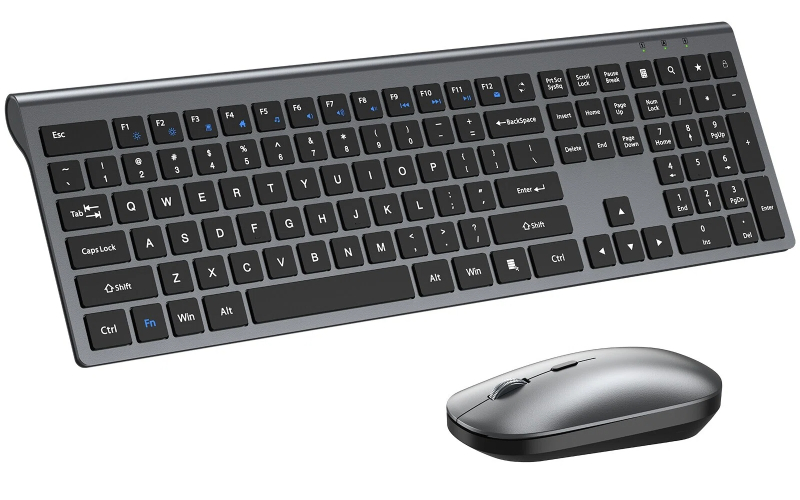
Gaming Keyboard & Mouse Combo
Engineered with dust-resistant mechanical switches and wear-proof keycap legends tailored for high-intensity commercial gaming cafes across Gauteng.
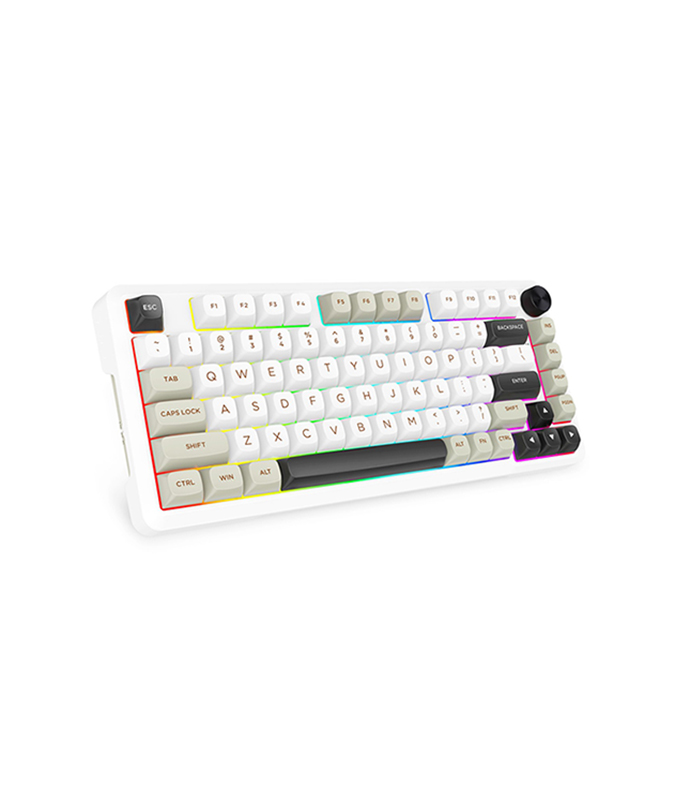
Z-82 Custom Keycap Keyboard
A compact 75%/82-key mechanical layout engineered for tactile responsiveness, hot-swappable switch sockets, and bespoke South African corporate colorways.
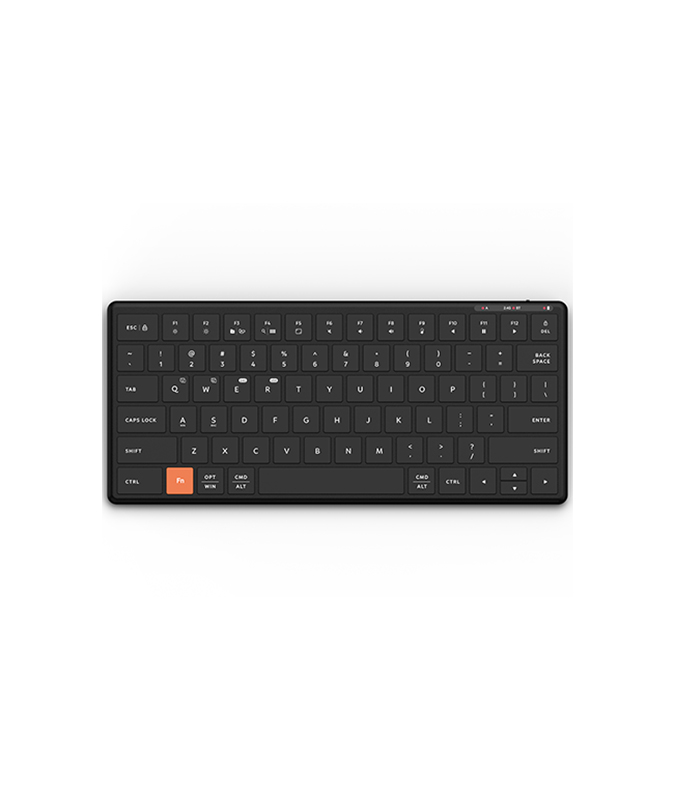
Wireless Low-Profile Office Board
Ultra-quiet scissor-switch keycap modules engineered for high-density business process outsourcing (BPO) centers in Cape Town and Sandton banking centers.
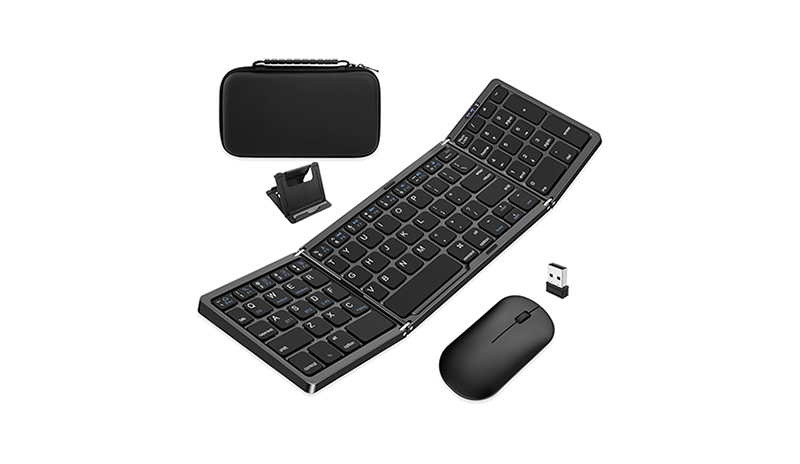
Enterprise Wireless Combo Set
Single nano-receiver architecture pairing a full-sized 104-key laser-etched keyboard with an ambidextrous silent optical mouse, optimized for national tenders.
South Africa & Global Peripheral Landscape: Strategic Sourcing Analysis
A comprehensive examination of supply chain realities, import regulatory barriers, material physics under extreme climatic variance, and expanding industrial application vectors.
South Africa Market Realities & Operational Dynamics
The South African computer peripheral landscape presents distinct structural opportunities and logistical hurdles for local hardware distributors, systems integrators, and retail brands. Concentrated predominantly within the economic powerhouses of Gauteng (Johannesburg and Pretoria), the Western Cape (Cape Town), and KwaZulu-Natal (Durban), the demand for human-machine interface (HMI) components has transitioned rapidly from generic, unbranded commodities to specialized, high-durability keycaps and structural keyboards.
South Africa's unique environmental conditions present significant physical challenges to standard peripheral materials. The interior Highveld region experiences extreme UV radiation indexes and severe seasonal dryness, which drastically accelerate the photolytic degradation and yellowing of low-grade Acrylonitrile Butadiene Styrene (ABS) plastics. Conversely, coastal logistics corridors and ports such as Durban and Cape Town experience high atmospheric salinity and sustained relative humidity, necessitating corrosion-resistant internal stabilizing plates, gold-plated hot-swap pin sockets, and non-hydrolytic keycap polymers.
Furthermore, commercial buyers face stringent regulatory compliance managed by the Independent Communications Authority of South Africa (ICASA) for RF emission frequencies (2.4GHz and Bluetooth wireless interfaces) alongside mandatory safety LOAs (Letters of Authority) governed by the National Regulator for Compulsory Specifications (NRCS) and SABS standards. Shenzhen Deying acts as an authoritative manufacturing partner, providing pre-certified component topologies that compress customs clearance friction at South African ports of entry.
Global Peripheral Dynamics & The Keycap Engineering Shift
Globally, the mechanical keyboard and custom keycap sector has shifted from a niche DIY enthusiast subculture to a multi-billion-dollar enterprise equipment vertical. Driven by the expansion of distributed software engineering, professional competitive esports, and demanding ergonomic health standards, enterprise organizations now recognize that typing ergonomics directly correlates with cognitive endurance and operational throughput.
Traditional single-shot injection molded ABS keycaps with pad-printed or laser-burned legends suffer from rapid surface polishing ("shine") and legend attrition after less than 1.5 million keystroke cycles. In response, Tier-1 global procurement has migrated towards high-content Polybutylene Terephthalate (PBT) formulations, utilizing precision double-shot injection tooling or five-sided thermal dye-sublimation (Dye-Sub) printing.
Concurrently, the manufacturing frontier has adopted computational acoustics. High-end keycaps are no longer evaluated merely as tactile contact pads; their internal structural wall thickness (nominally 1.5mm to 1.6mm), internal ribbed reinforcement, and resin density fundamentally govern the acoustic frequency profile (the sought-after "thock" vs "clack"). Deying's Shenzhen production facilities lead this paradigm shift, integrating high-tonnage multi-cavity precision molds to produce uniform acoustic resonance across ANSI, ISO, and customized Pan-African keyboard layouts.
Precision Keycap Material Formulation & Acoustic Engineering
A deep-dive technical comparison of polymer thermoplastics, legend manufacturing methodologies, and mechanical profile geometries designed for longevity under intense industrial duty cycles.
| Material / Process | Polymer Composition | UV Stability & Wear Index | Acoustic & Tactile Signature | Recommended South Africa Use Case |
|---|---|---|---|---|
| PBT Double-Shot (85% Resin) | Polybutylene Terephthalate + Polycarbonate modifier | Exceptional (Zero surface shine over 50M+ actuations) | Deep, low-frequency acoustic profile ("Thocky"), dry textured feel | Premier commercial retail brands, gaming cafes, mining command centers |
| Five-Sided Dye-Sub PBT | High-crystallinity thermal-absorption PBT | High fade resistance; legends chemically infuse deep into polymer | Crisp, balanced medium tone, smooth matte texture | Custom bespoke corporate branding, branded education programs, financial desks |
| Polycarbonate (PC) Transparent | High-clarity optical-grade Polycarbonate | Moderate wear resistance; scratch resistant with UV clear-coat | Higher-pitched ("Clacky") clear click, ultra-high optical transparency | RGB-centric retail gaming peripherals, dynamic aesthetic lifestyle lines |
| Dual-Layer Pudding ABS/PBT | Translucent milky base with textured solid PBT top cap | High top durability; enhanced bottom diffuse lighting transmission | Balanced acoustic resonance with amplified under-keyglow | Mass-market gaming bundles for Takealot and Makro retail distribution |
| Silicone Coated Industrial | Medical-grade cross-linked elastomeric silicone | Extreme chemical, solvent, dust, and waterproof seal (IP68) | Zero acoustic click; damp mechanical travel with tactile rebound | Deep-shaft mining SCADA consoles, hospital triage, processing plants |
Profile Ergonomics: Cherry, OEM & MOA
We tool and produce across multiple physical keycap heights. From standard OEM profile sculpts ideal for general enterprise typing, to the lower, ergonomic Cherry profile preferred by typists for reduced wrist pronation, through to uniform height profiles such as MOA and XDA that eliminate row-specific angle differences for rapid touch-typing.
Localized Sub-Legends & Custom Fonts
While English (US ANSI) remains dominant across South Africa, Deying provides customized tooling for localized UK/South African hybrid ISO layouts (featuring large return keys and inverted symbol legends) as well as dual-language sub-legends for international corporate headquarters operating within South Africa's tech corridors.
Magnetic Hall Effect (HE) Keycap Tolerancing
With rapid industry migration toward Hall Effect magnetic switches featuring variable actuation triggers (rapid trigger technology), keycap stem internal dimensions must maintain a hyper-strict ±0.01mm tolerance to avoid stem binding or tilting that would distort magnetic sensor readings. Deying's molds are engineered to micro-tolerances.
High-Impact Localized Application Scenarios Across South Africa
Custom peripheral and keycap engineering tailored for specific industrial, corporate, educational, and commercial ecosystems within the SADC region.
1. Witwatersrand & Rustenburg Mining Control Consoles
South Africa’s platinum, gold, and coal mining infrastructure relies heavily on mission-critical supervisory control and data acquisition (SCADA) operating desks. In airborne-particulate-heavy dispatch facilities, standard consumer keycaps fail rapidly: coal dust enters switch housings and abrasive dust particles strip away surface legends within weeks.
- Specialized Solution: 1.6mm ultra-thick PBT double-shot keycaps paired with dust-shielded IP56 mechanical switch housings.
- Color-Coded Logic: High-visibility emergency stop clusters (Safety Red, Caution Amber) directly infused into the resin structure rather than painted on.
- Durability Rating: Rated for 24/7 continuous shift rotation with resistance to industrial grease and routine chemical wipedowns.
2. BPO Contact Centers & Sandton Financial Institutions
Cape Town has established itself as the global capital for offshore business process outsourcing (BPO), housing thousands of agents typing continuously for UK, US, and Australian enterprises. High acoustic noise floors from loud mechanical keyboards cause cognitive fatigue and voice interference during client calls.
- Specialized Solution: Low-profile scissor-switch membranes and internal silicone gasket dampeners that reduce typing sound output below 28 decibels.
- Aesthetic Standards: Sleek minimalist dark graphite and silver housing with laser-etched, UV-cured legends designed for 8+ year operational lifespans.
- Procurement Advantage: High-volume containerization packaging reducing freight volume per unit, directly reducing landed customs tariffs.
3. Retail E-Commerce Brands (Takealot, Makro, Incredible)
Consumer peripheral margins in South African physical and digital retail channels depend on distinct packaging, striking visual aesthetics, and zero out-of-box failure rates. South African gaming enthusiasts seek performance-tier features at accessible price tiers.
- Specialized Solution: Turnkey ODM mechanical platforms equipped with custom gradient dye-sub keycaps, hot-swappable tactile switches, and integrated volume control knobs.
- Retail Presentation: Localized packaging compliant with South African Consumer Protection Act labeling guidelines, featuring English and Afrikaans usage warnings.
- Rapid SKU Refresh: Deying produces 200+ new designs annually, allowing retail buyers to launch exclusive regional SKUs ahead of Black Friday and Festive Season rushes.
4. Public Sector & Provincial Education IT Tenders
Provincial Departments of Education frequently issue high-volume tenders for computer labs, university STEM terminals, and civil service infrastructure across the Eastern Cape, KwaZulu-Natal, and Limpopo provinces.
- Specialized Solution: Vandal-resistant, reinforced stem keycap assemblies that prevent students from easily prying keys off switch stems.
- Fluid Defense: Spill-drainage membrane troughs capable of redirecting accidental liquid spills safely away from internal electronic circuit traces.
- Cost Efficiency: Ultra-competitive mass-injection tooling delivering dependable, high-yield peripherals meeting strict public spending oversight.
End-to-End Quality Engineering: From Tooling to South African Port of Arrival
A rigorous, transparent six-stage manufacturing execution lifecycle eliminating product variance, batch degradation, and compliance non-conformance.
Industrial Design & CAD Modeling
Our Shenzhen engineering department transforms your brand's industrial concept into precise 3D CAD step files, optimizing wall taper, stem ribbing, and sprue placement to eliminate sink marks during cooling.
High-Precision Mold Tooling
Multi-cavity steel molds are machined in-house using high-speed CNC and electrical discharge machining (EDM) to achieve surface mirror polishes or precise EDM spark texture patterns.
Resin Compounding & Injection
High-grade raw PBT pellets are mixed with UV stabilizers and pigment masterbatches in climate-controlled hoppers before high-pressure injection on 15+ automated machines.
Thermal Sublimation & Printing
Legends are applied via high-temperature vacuum sublimation or secondary polymer injection (double-shot), embedding lettering flush with the keycap surface permanently.
Automated QA & Keystroke Stress
Every batch undergoes mechanical keystroke life testing (50M+ cycles), RCA tape abrasion tests, colorimeter spectrophotometry checks, and environmental heat/humidity soak cycles.
Export Packaging & Ocean Logistics
Finished goods are packaged in moisture-barrier cartons, palletized, shrink-wrapped, and loaded into containers destined for Durban (Pier 1/2) or Cape Town with complete export documentation.
Macro Peripheral Roadmap: 2025–2030 Technical Innovations
Strategic technological developments being actively integrated into Deying’s Shenzhen production pipelines for next-generation hardware distribution.
Bio-Based & Recycled Polymers
Responding to global ESG compliance mandates and progressive South African corporate procurement guidelines, Deying is pioneering post-consumer recycled (PCR) ABS blends and cornstarch-derived bio-resins that reduce hydrocarbon footprints without degrading mechanical wall tensile strength.
AI Layout Customization & Hotkeys
Hardware is adapting to generative AI productivity workflows. We are currently rolling out modular keycap sets featuring dedicated, illuminated hotkey caps for Microsoft Copilot, Claude, and system automation macro triggers tailored for software enterprises and administrative suites.
Antimicrobial Polymer Infusion
Particularly critical for shared multi-operator computer labs, call centers, and clinical monitoring setups in South Africa, silver-ion (Ag+) antimicrobial compounds are compounded directly into the molten resin matrix, inhibiting 99.9% of bacterial colonization over the keycap's lifespan.
Frequently Asked Questions: Sourcing Keycaps & Peripherals for South Africa
Essential commercial, technical, and regulatory clarity addressing the standard questions asked by South African importers, procurement managers, and brand founders.
What is the minimum order quantity (MOQ) for custom keycap sets and OEM keyboards?
How does Deying support ICASA and NRCS regulatory certification for South African imports?
What keycap material formulation is most resilient to South Africa's high-UV climate?
Can Deying manufacture localized keyboard layouts for South Africa?
What are typical production lead times and ocean shipping timelines to Durban or Cape Town?
Full-Spectrum OEM/ODM Hardware Configurations
Comprehensive peripheral platforms ready for immediate private-label branding, customized keycap engineering, and distribution across South Africa.
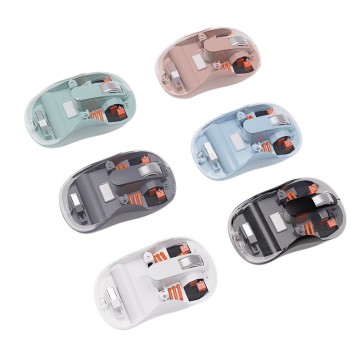
Dual-Mode Magnetic Transparent Mouse
2.4G + Bluetooth dual connection, magnetic transparent top cover, silent-click microswitches, colorful LED illumination.
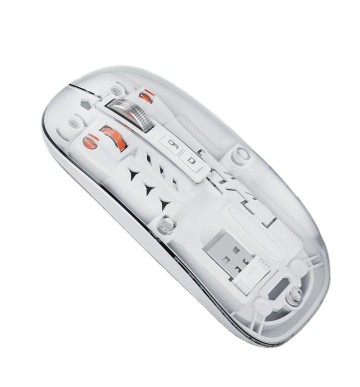
Transparent Shell 5-Button Mouse
Ergonomic lightweight transparent chassis, 5 silent navigation switches, long-life rechargeable 500mAh lithium cell.
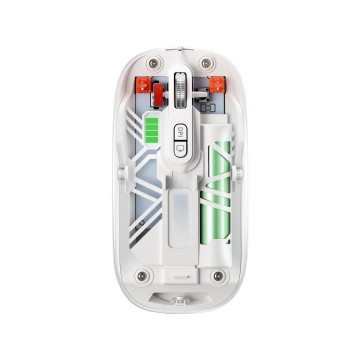
Ultra-Light Slim Transparent Mouse
Sleek travel profile engineered for corporate executives and mobile professionals across Johannesburg and Cape Town.
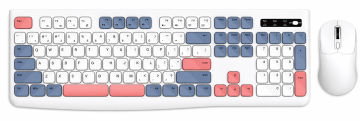
Ergonomic Split-Keycap Desk Combo
105-key natural ergonomic split keycap architecture with dual spacebars and contour curvature to eliminate RSI fatigue.
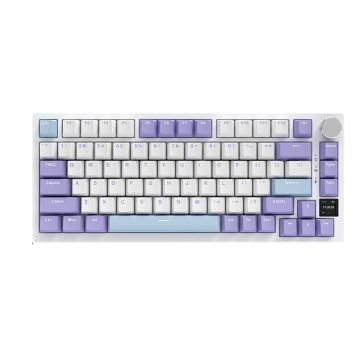
75% Gasket Keyboard with TFT Screen
Tri-mode 81-key mechanical keyboard with integrated 0.85" smart color screen, CNC metal volume knob, and thick PBT keycaps.
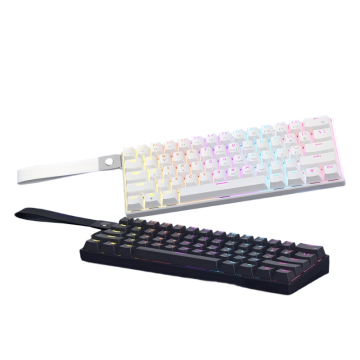
60% Compact Hot-Swap RGB Keyboard
Minimalist 61-key esports layout providing maximum desk area for mouse tracking, complete with detachable Type-C cabling.
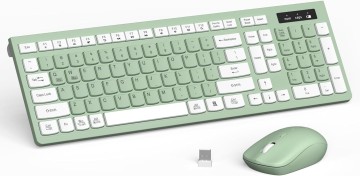
Full-Size 104-Key Silent Office Combo
Full numeric keypad configuration ideal for accounting desks, retail banking branches, and high-volume clerical entry.
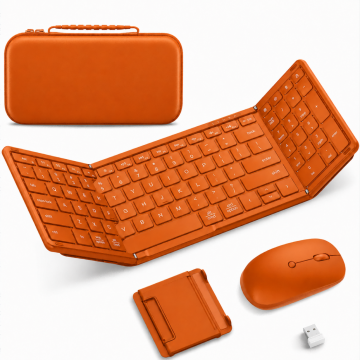
Foldable Wireless Full-Function Combo
Engineered with an innovative dual-hinge folding frame, full 99-key matrix with integrated number pad, and rechargeable cell.
Accelerate Your South African Hardware Venture
Whether you require custom-tooled PBT keycaps with bespoke South African legends, a complete gaming peripheral brand launch on Takealot, or high-volume commercial keyboards for education tenders, Deying's engineering team provides the tooling precision, compliance certifications, and volume scalability to secure your market advantage.