
High-Performance Gaming Mice & Peripherals Platforms
Fully tooled, certified, and scalable private-label hardware engineered for immediate production and global distribution.
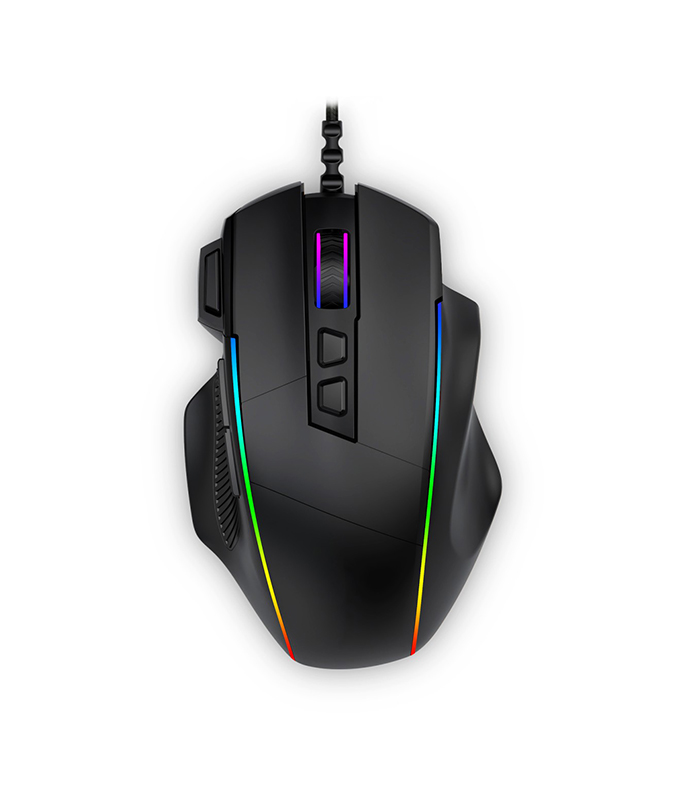
RGB Optical Gaming Mouse
Ergonomic esports gaming shell, high-precision optical tracking, customizable dynamic RGB zones and adjustable DPI profiles.
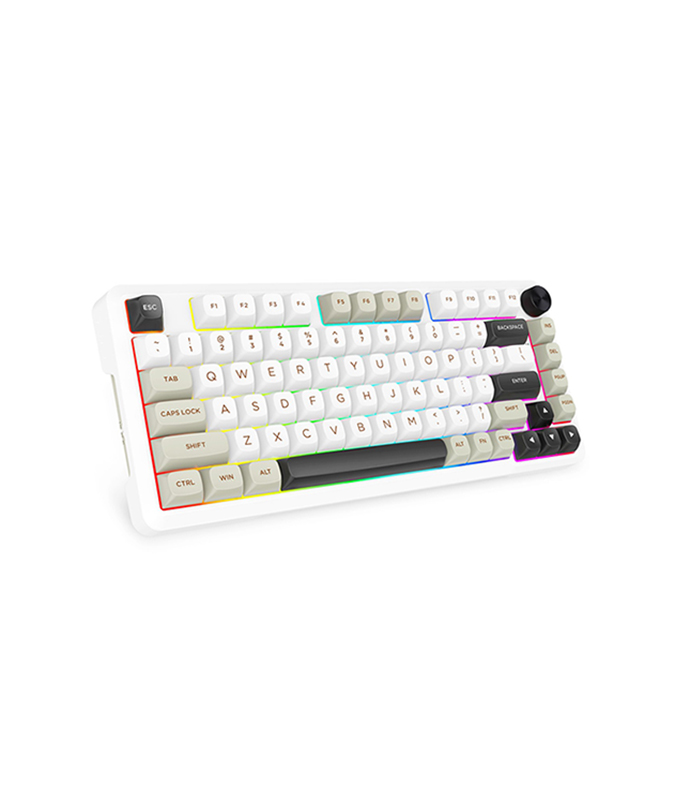
Mechanical Gaming Keyboard
Compact custom layout with programmable RGB illumination, modular switches, and high-durability keycaps.
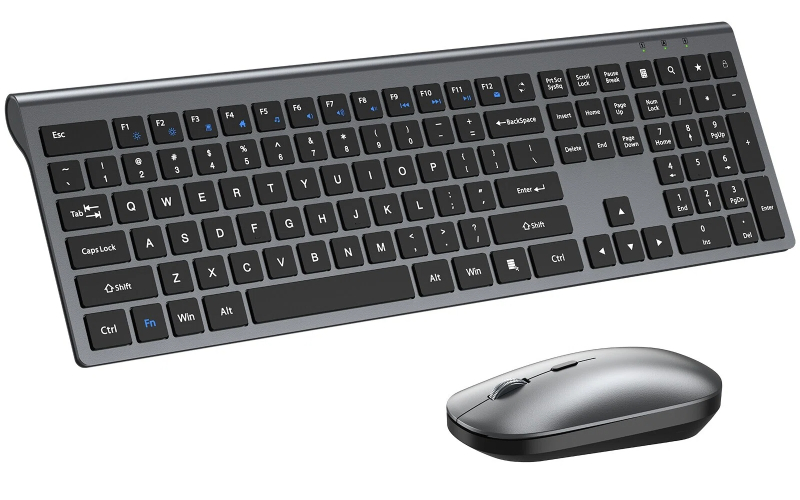
Gaming Keyboard & Mouse Combo
Matched high-performance keyboard and optical gaming mouse set designed for entry-to-mid tier retail gaming channels.
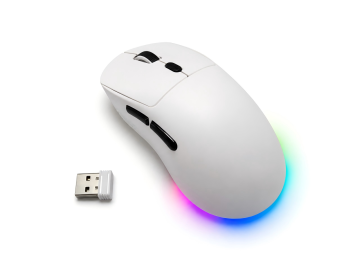
Tri-Mode Wireless Gaming Mouse
PAW3311 optical engine, Wired + 2.4G Wireless + BT5.2 connectivity, 7 programmable buttons, 500mAh lithium battery.
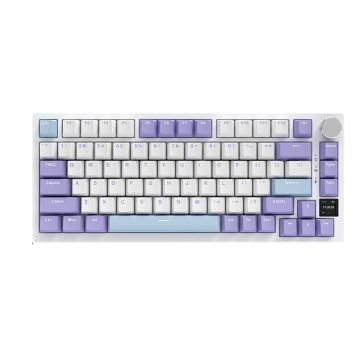
81-Key Tri-Mode Mechanical Keyboard
75% Gasket structure, 0.85" TFT display, metal volume knob, hot-swappable sockets, and PBT dye-sub keycaps.
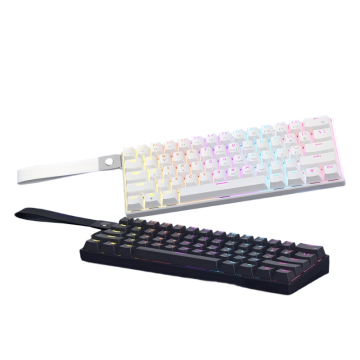
61-Key Mechanical Gaming Keyboard
Ultra-portable 60% form factor, Type-C wired interface, hot-swappable switches, and fully customizable RGB macro driver.
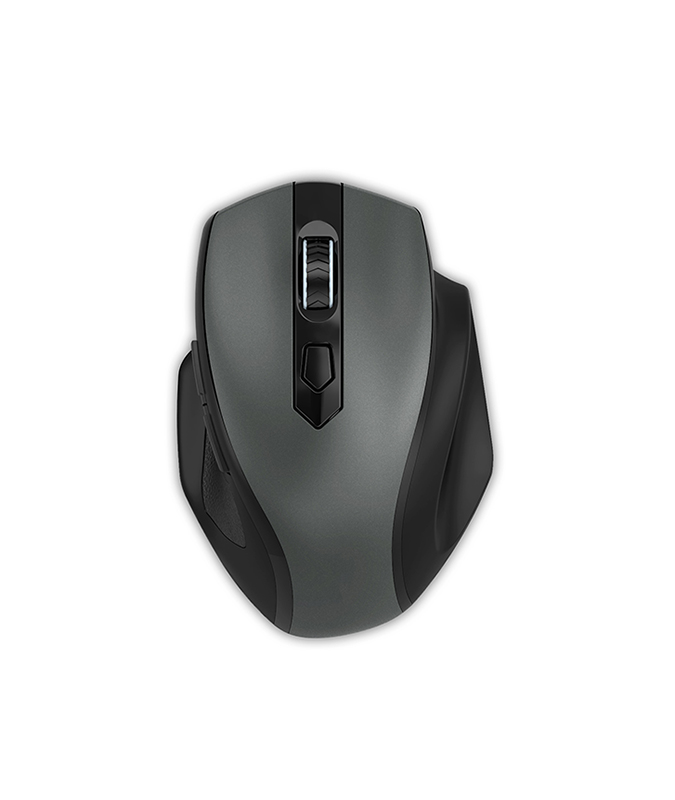
2.4G Wireless Office Mouse
Ergonomic quiet-click silent switches, precise optical tracking engine, USB nano receiver for commercial deployment.
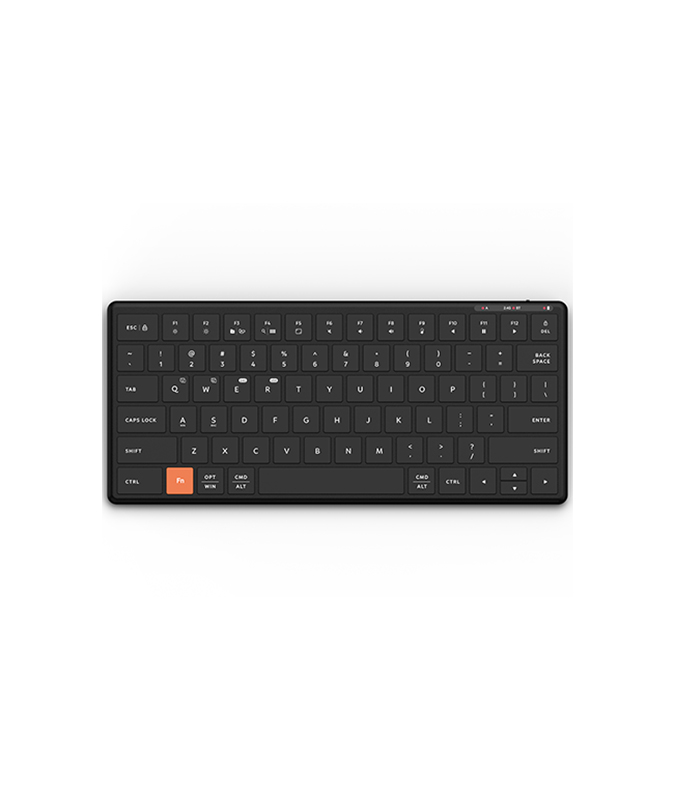
Low-Profile Wireless Office Keyboard
Ultra-thin chiclet keycaps, whisper-quiet membrane switches, extended battery life for corporate tenders and education.
Engineering Architecture of Modern ODM Optical Gaming Mice
An authoritative deep dive into sensor physics, microcontroller firmware, switch acoustics, and precision tooling for B2B brand owners and procurement directors.
1. The Evolution of Optical Tracking Sensors: Pixels to Motion-Sync Technology
In the competitive esports hardware sector, the optical gaming mouse serves as an extension of the athlete’s neurological reflex. Modern Original Design Manufacturer (ODM) platforms have migrated from basic CMOS image capture sensors to advanced optical navigation engines such as the PixArt PAW3395, PAW3311, and PAW3370 series. Unlike office peripherals that sample surfaces at 1,000 to 2,000 frames per second (FPS), specialized ODM optical gaming mice utilize high-speed LED or Infrared (IR) surface illumination paired with digital signal processors (DSP) operating at up to 20,000 FPS.
This massive jump in frame capture eliminates hardware smoothing, acceleration, and angle snapping. The integration of Motion-Sync technology synchronizes optical sensor reporting signals with the USB polling rate cycles (1000Hz up to 8000Hz / 8K Polling Rate). As an experienced OEM/ODM factory in Shenzhen, Shenzhen Deying Industry Co., Ltd. optimizes high-speed MCU microcontrollers (including Nordic 52840 and CX52850 solutions) to ensure latency between mouse pad displacement and cursor reaction remains under 0.125 milliseconds.
Professional tactical shooter players (e.g., CS2, Valorant) require an adjustable LOD of 1.0mm to 2.0mm to prevent tracking drift during rapid repositioning. Deying’s custom ODM firmware exposes direct LOD calibration alongside optical micro-switch debouncing algorithms, eliminating mechanical chatter while preserving sub-millisecond click response times.
2. Mechanical Micro-Switches vs. Optical Light-Beam Triggers
The switch mechanism represents the primary physical interface of any gaming mouse. Conventional gold-alloy contacts are susceptible to oxidation, mechanical wear, and unintended double-clicking caused by contact bounce. Deying’s custom ODM optical gaming mice offer dual-option switch architecture:
- Mechanical Micro-Switches (Kailh GM 8.0, Huano Blue Shell Pink Dot, Omron 80M): Calibrated for tactile feedback, crisp actuation actuation force (60gf–65gf), and satisfying click acoustics favored by MOBA gamers.
- Infrared Optical Micro-Switches: Employing light-beam interruption triggers that completely remove physical contact bounce delay. Achieving lifespan thresholds exceeding 90 million clicks with zero double-click degradation over multi-year tournament use.
Ultra-Light Structural Shell Engineering
Utilizing high-precision injection mold tooling to reduce internal wall thickness to 0.8mm without sacrificing chassis rigidity, bringing complete mouse weights down to 49g–55g without external honeycomb perforations.
Tri-Mode Connectivity Protocol
Seamless hardware toggling between low-latency 2.4GHz RF wireless, Bluetooth 5.3 multi-device pairing, and ultra-flexible paracord USB-C wired charging channels.
Driver & Onboard Memory Customization
Web-based driver software (WebHID protocol) or dedicated Windows/macOS drivers allowing users to store macros, RGB matrix modes, and sensor DPI levels directly onto onboard EEPROM flash memory.
Why Global Brands Partner with Deying's Shenzhen ODM Factory
Strategic supply chain integration, rapid prototyping, vertical in-house manufacturing, and rigorous quality assurance in Longgang District, Shenzhen.
15+ Intelligent Injection Molding Machines
By manufacturing mouse housings, keycaps, scroll wheel frames, and bottom plates in-house, Deying maintains microscopic tolerance control (±0.02mm). This prevents shell squeaking, button pre-travel misalignment, and gap inconsistencies across massive production runs.
10 Automated Assembly Lines & SMT Lines
Automated surface-mount technology (SMT) ensures surface placement of optical sensors, micro-controllers, surface-mount LEDs, and RF antennas occurs with zero human error, drastically lowering DOA rates for international shipments.
Full Certification Compliance (CE, FCC, RoHS)
All Deying ODM models are pre-designed to meet stringent European Union and North American regulatory frameworks, including CE radio compliance, FCC Class B electromagnetic interference standards, and RoHS hazardous material restrictions.
Comprehensive OEM/ODM Customization Matrix
From silk-screened brand logos and metallic laser engraving to custom soft-touch UV matte coatings, custom keycap legends, braided cables, and bespoke retail box design — Deying delivers turn-key private label execution.
Inside Shenzhen Deying Factory: 12,000 m² Automated Facility
Macro Industry Trends Shaping the ODM Mouse Landscape
Strategic planning insight for global distributors, e-commerce brand builders (Amazon/Shopify sellers), and OEM procurement officers.
1. The Shift Toward Ultra-Lightweight (Sub-50 Gram) Ergonomic Forms
The global gaming peripheral market has seen a fundamental shift in user preference. Heavy mice exceeding 100 grams featuring adjustable weight cartridges have been largely rendered obsolete in esports environments. Competitive FPS players demand fast directional changes, requiring lower kinetic inertia. Deying’s engineering team utilizes finite element analysis (FEA) to redesign shell ribbing and wall thickness, delivering rigid structural integrity at weights under 55g without needing compromised outer surfaces.
2. Web-Based Universal Drivers (WebHID & WebUSB Adoption)
Traditional OEM gaming mice required end-users to download heavy executable drivers (.exe/.dmg) from brand websites, creating security friction and operating system compatibility barriers. Next-generation ODM gaming mouse platforms developed by Deying support browser-native WebHID configuration. Users adjust DPI, button mapping, lighting effects, and MCU firmware updates directly in Chrome or Edge without installing local software.
3. Hybrid Product Positioning: Esports Performance Meets Silent Office Aesthetics
With remote work and hybrid corporate gaming culture flourishing, a rising segment of buyers seeks stealth gaming mice. Incorporating dual-mode switches (silent tactile micro-switches for office hours alongside high-tactile optical switches for gaming), these multi-purpose ODM models bridge the gap between business productivity and high-frame gaming performance.
Esports Teams & Gaming Brands
Requires high-end PAW3395/3311 sensors, 4K/8K polling rate support, ultra-light sub-55g chassis, and zero-smoothing optical switches for tournament usage.
iCafe & Cyber Gaming Lounges
Requires heavy-duty durability: 80M+ click switches, reinforced braided cords, anti-theft cable clamps, water-resistant PCB coating (nano-conformal protection).
Cross-Border E-Commerce Brands
Requires low MOQ ODM platforms, retail-ready FSC certified box packaging, localized Amazon FBA compliance labeling, and turnkey CE/FCC compliance documentation.
Transparent Design & Multi-Mode Office/Gaming Hybrid Solutions
Explore our newest private label designs including magnetic transparent covers, split ergonomic keyboards, and ultra-slim Bluetooth peripherals.
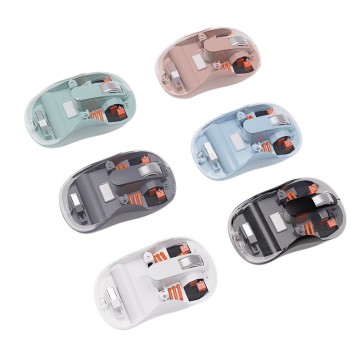
Magnetic Transparent Dual-Mode Mouse
2.4G + Bluetooth 5.2 connectivity, detachable magnetic cover, colorful LED lighting, silent micro-switches.
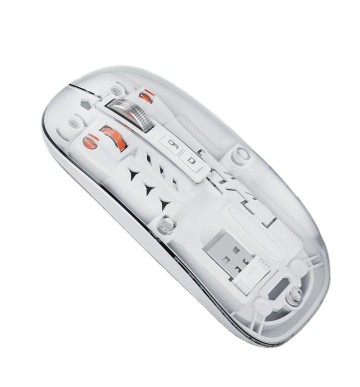
Transparent Shell Dual-Mode Mouse
2400 DPI adjustable sensor, 76g lightweight transparent chassis, 500mAh rechargeable lithium battery, 5 silent keys.
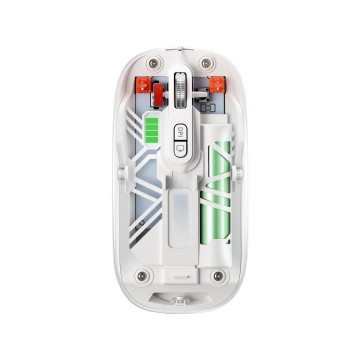
Ultra-Light Slim Transparent Mouse
800–1600 DPI variable tracking, pocket-sized transparent housing, whisper silent clicks, USB-C fast charging interface.
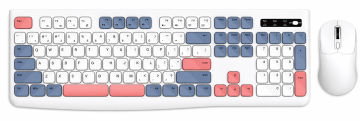
Ergonomic Split Keyboard & Mouse Set
105-key split layout, dual spacebar construction, integrated wrist rest, BT + 2.4G wireless dual channel operation.
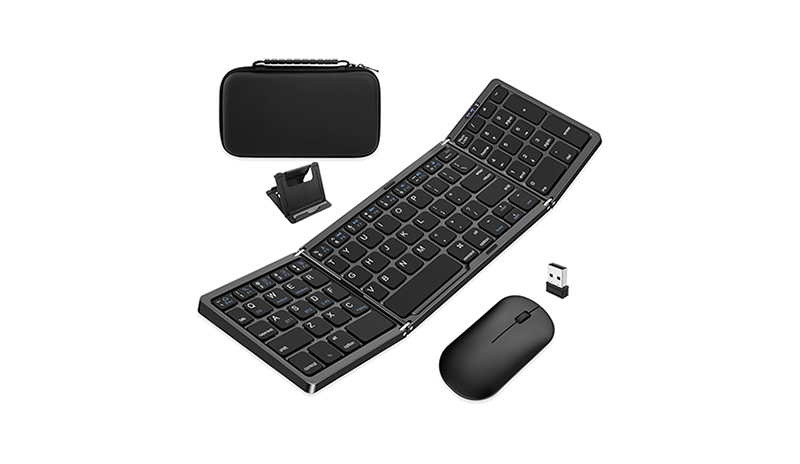
2.4G Office Keyboard & Mouse Combo
Unified 2.4GHz USB nano receiver connecting a low-profile quiet keyboard and comfortable ambidextrous office mouse.
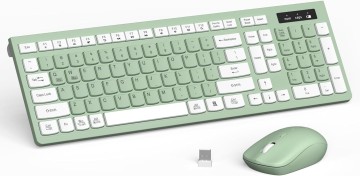
Full-Size Silent Wireless Keyboard Combo
Standard 104-key layout with multimedia shortcuts, paired with a 3-level adjustable DPI silent office mouse.
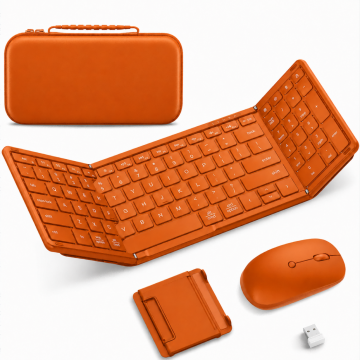
Foldable Wireless Keyboard & Mouse Combo
Ultra-compact folding mechanism with numeric keypad, BT 5.0 + 2.4G dual connectivity, USB-C fast charging.
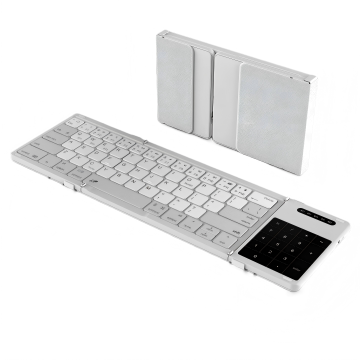
Tri-Fold Keyboard with Touchpad & Numpad
270g ultra-light aluminum alloy body, integrated multi-gesture touchpad, Bluetooth 5.0 connection supporting 3 devices.
Manufacturing Quality Protocol: Golden Sample to Shipment
How Shenzhen Deying guarantees 100% mass production consistency with client-approved prototypes.
IQC Incoming Material Inspection
Strict sampling inspection of sensor ICs, micro-controllers, ABS plastic granules, micro-switches, and lithium batteries according to AQL 0.65 Level II standards.
SMT Automated Optical Inspection (AOI)
Automated visual testing of solder joint integrity on mouse PCBA boards, preventing cold solder joints, short circuits, or component misalignment.
Golden Sample Locking Protocol
Prior to mass assembly, physical golden samples are signed by both client and Deying engineers. Production line QC benchmarks every unit against this master sample.
Environmental & Life Cycle Reliability Testing
In-house testing includes button click endurance testing (up to 80M cycles), drop testing from 1.2 meters, thermal shock testing (-20°C to 60°C), and cable flex testing.
Online Sensor DPI Calibration & RF Testing
100% automated optical sensor tracking verification on specialized glass and fabric pads to guarantee zero pointer wobble or DPI step offset.
OQC Outgoing Quality Control & Export Prep
Final packaging inspection, barcoding verification, drop-box drop test compliance, and customized shipping mark validation before container sealing.
Frequently Asked Questions for OEM/ODM Buyers
Clear, detailed answers regarding tooling, custom branding, MOQs, testing compliance, and factory visits.
What is the structural difference between OEM and ODM at Deying Factory?
OEM (Original Equipment Manufacturing): Deying engineers and manufactures a unique hardware design strictly based on your brand's exclusive industrial design (ID) drawings, 3D CAD files, and proprietary PCB schematics. We create custom injection molds exclusively dedicated to your brand, giving you full market exclusivity.