
Featured Hardware Platforms Ready for Private Label ODM Deployment
Standardize on verified chassis architectures engineered for zero-defect yield, ultra-low input latency, and custom corporate branding.
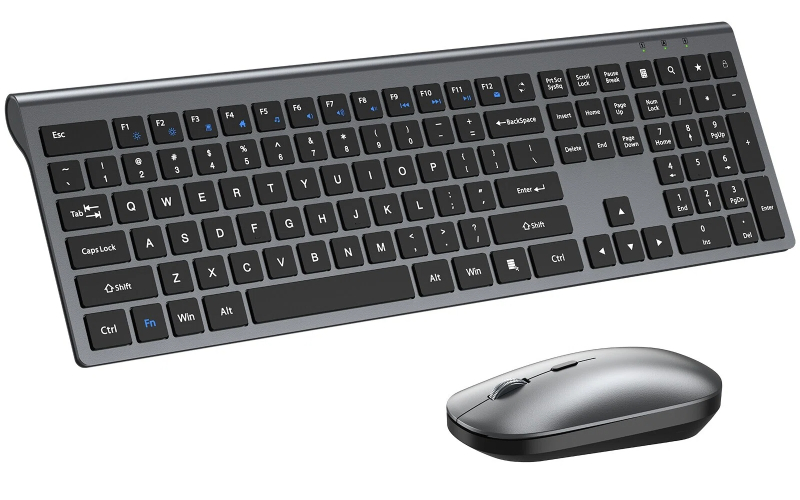
Gaming Keyboard & Mouse Matched Combo
A complete gaming ecosystem bundle engineered for competitive retail SKUs, combining dynamic RGB and anti-ghosting mechanical switches.
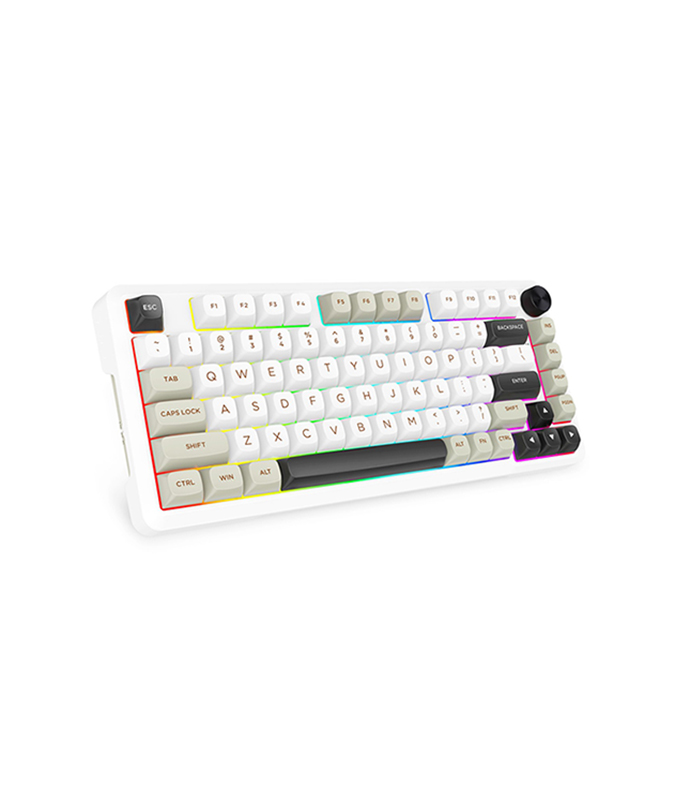
Compact Mechanical Gaming Keyboard
High-density layout equipped with hot-swappable switch sockets, individual per-key addressable RGB, and aluminum top stabilization.
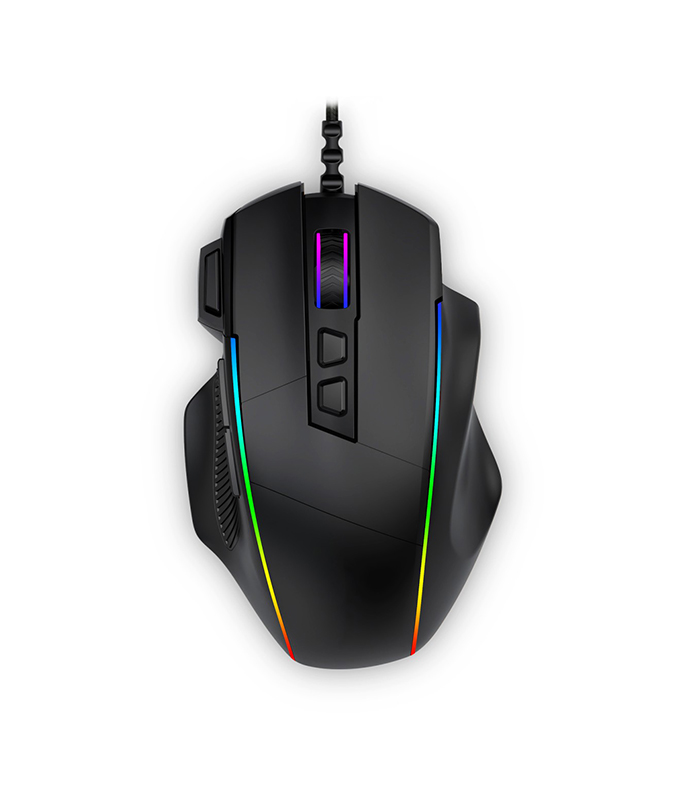
Ergonomic Precision RGB Gaming Mouse
Built with high-frequency microswitches rated for 50M clicks and an optical sensor configured for flawless 1:1 tracking fidelity.
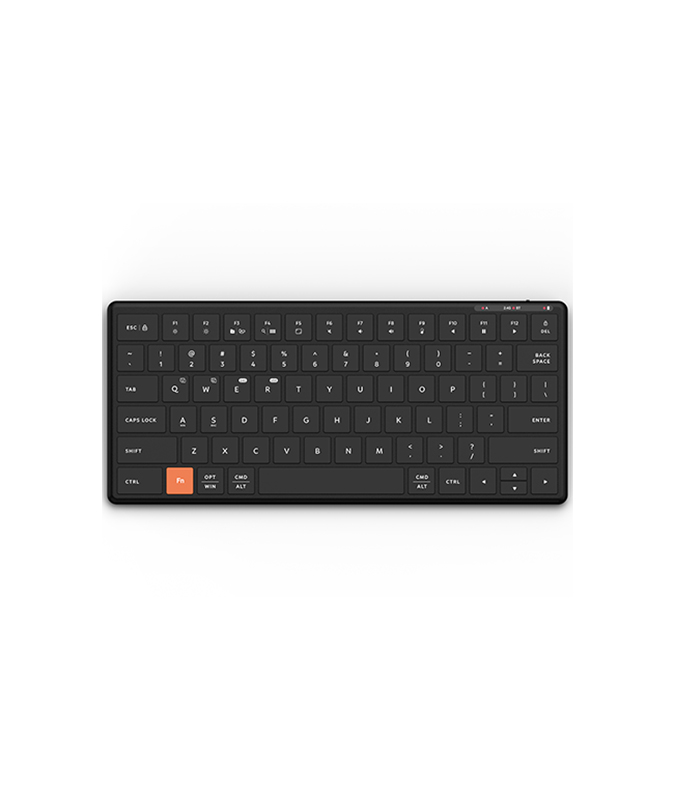
Ultra-Low Profile Wireless Keyboard
Whisper-quiet scissor-switch mechanism designed for executive desks, high-density open-plan workspaces, and bulk institutional tenders.
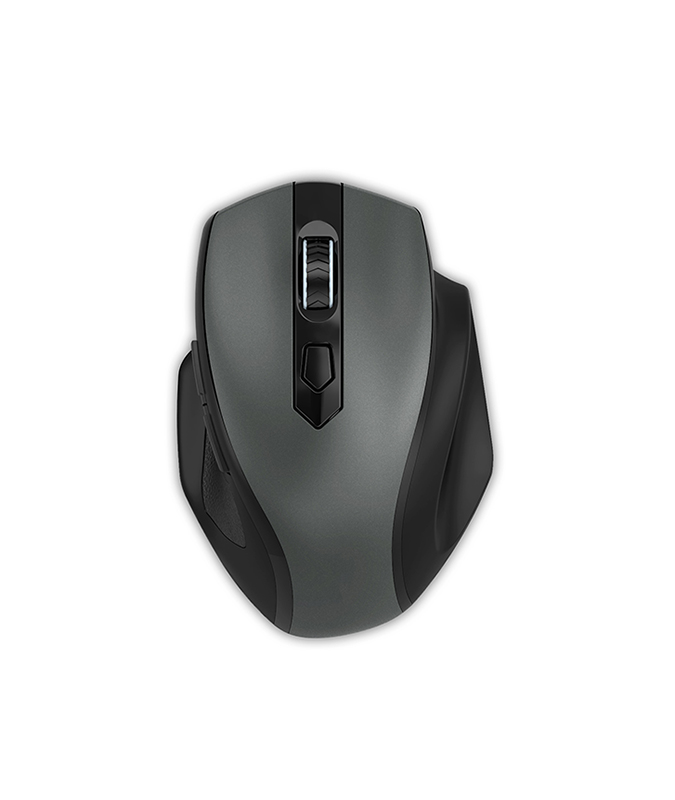
Plug-and-Play Ambidextrous 2.4G Mouse
Energy-optimized optical engine achieving 12+ months on a single cell, featuring instant driver-free USB nano receiver pairing.
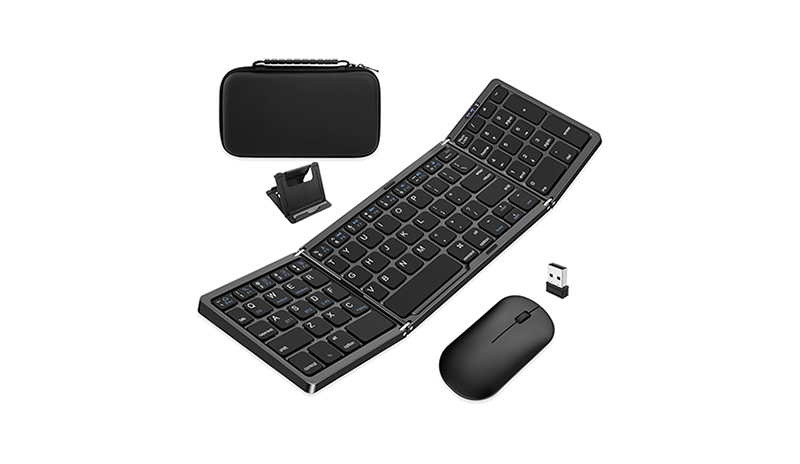
Single-Dongle Enterprise Wireless Suite
A synchronized desktop combo running on one micro 2.4G receiver, reducing peripheral USB port footprint in corporate IT rollouts.
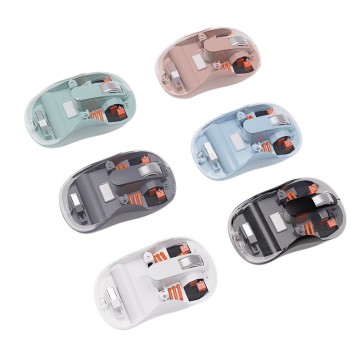
Magnetic Transparent Dual-Mode Mouse
Showcases internals via a crystalline magnetic top-shell, integrating Bluetooth 5.2 + 2.4G, silent damping switches, and ambient lighting.
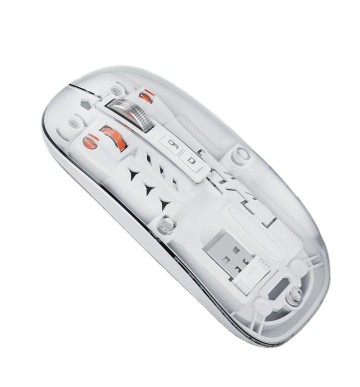
5-Button Silent Dual-Mode Optical Mouse
Engineered for hybrid workflow efficiency with dedicated forward/back navigation keys, silent primary switches, and rechargeable 500mAh Li-Po.
The Global Industrial Landscape of High-Tier Wireless Peripherals
How rapid transitions toward 2.4GHz Nordic/PixArt wireless ecosystems, magnetic Hall Effect analog switches, and eco-certified manufacturing are redefining OEM/ODM supplier benchmarks.
The global human interface device (HID) peripheral sector has entered an inflection point characterized by the death of proprietary wired-only dominance in competitive gaming and the standardisation of ultra-low latency wireless radio frequency (RF) protocols. Historically, high-tier competitive esports athletes and high-throughput corporate workstations shunned wireless keyboards and mice due to packet dropping, radio-frequency interference in crowded 2.4GHz bands, and microsecond-level latency spikes. Today, through state-of-the-art Nordic Semiconductor nRF52840 and Broadcom wireless microcontrollers coupled with custom frequency-hopping spread-spectrum (FHSS) algorithms, modern ODM gaming peripherals consistently register continuous 1000Hz (1ms), 4000Hz (0.25ms), and up to 8000Hz (0.125ms) polling intervals.
For international consumer electronics brands, B2B procurement contractors, and specialized gaming labels, sourcing an authentic original design manufacturer (ODM) with vertically integrated injection molding, SMT surface-mount assembly, automated optical inspection (AOI), and in-house acoustic/switch testing is no longer merely a cost-reduction strategy. It is an operational prerequisite. Shenzhen Deying Industry Co., Ltd., based in Longgang District, Shenzhen, bridges consumer market expectations with strict industrial execution, operating 10 fully automated assembly lines alongside more than 15 high-precision injection molding stations.
Deterministic RF Latency
Implementation of adaptive frequency-hopping protocols guaranteeing sub-1ms end-to-end report rates, rivaling or exceeding wired tournament connections even in saturated wireless environments.
Structural Integrity & Gasket Mounting
Multi-layer acoustic dampening including Poron foam pads, IXPE switch pads, PET sound-enhancing films, and silicone gasket dampeners designed to eliminate case ping and plastic resonance.
Optoelectronic & Magnetic Sensors
Integration of flagship PixArt PAW3395 / PAW3311 optical engines delivering up to 26,000 DPI with 650 IPS tracking, paired with Hall Effect magnetic sensors supporting rapid trigger actuation points.
Automated SMT & In-House Tooling
Full control over hot runner injection tooling, PBT double-shot dye-sublimation keycap manufacturing, and automated robotic screw assembly to ensure zero discrepancy across 100,000+ unit production runs.
Macro Development Trends Transforming Wireless Peripheral Engineering
Analyzing key technical shifts in mechanical and optical input devices from 2025 through 2030.
1. Hall Effect Magnetic Sensing & Dynamic Rapid Trigger
Traditional mechanical switches rely on physical leaf contact closure, inherently subject to debounce delay filters (typically 2ms to 12ms) and mechanical fatigue over time. Hall Effect switches detect magnetic flux variations through linear bipolar Hall sensors embedded directly onto the keyboard PCB. This allows instantaneous key reset (Rapid Trigger), customizable actuation points variable from 0.1mm to 4.0mm with 0.02mm step adjustments, and zero contact debounce. Deying ODM architectures support integrated magnetic calibration routines directly inside keyboard flash memory.
2. True 4KHz / 8KHz Wireless Polling & Dual-MCU Architecture
Standard USB HID polling operates at 1000Hz (1 report per millisecond). In esports scenarios running 240Hz, 360Hz, or 540Hz OLED gaming monitors, 1ms report intervals cause visible frame-pacing micro-stutters and input lag. Our advanced wireless gaming platforms leverage dual-core ARM Cortex-M4 architectures: one processor exclusively dedicated to optical sensor packet capture or switch matrix scanning, and the secondary MCU dedicated strictly to 2.4GHz RF transmission, yielding unthrottled 4,000Hz or 8,000Hz polling capabilities without dropped communication packets.
3. Ultra-Lightweight Structural Honeycomb & Magnesium Tooling
Mouse gross weight has evolved from a matter of ergonomics to an empirical competitive metric. Deying utilizes structural finite element analysis (FEA) to design internal rib reinforcement matrices that allow mouse weights below 49 grams without requiring fragile exterior honeycomb hole cutouts. Using modified virgin ABS, polycarbonate blends, and lightweight magnesium-aluminum alloys, our ODM gaming mouse platforms maintain uncompromising torsional rigidity, zero side-wall flex, and consistent actuation force under aggressive tournament gripping styles.
Specialized B2B Application Scenarios and Channel Customization
Tailoring RF properties, tactile response, acoustic attenuation, and certification protocols across distinct market segments.
Esports Arenas & Competitive Tournaments
Stadiums and LAN venues represent the most hostile RF environments on Earth, saturated with hundreds of competing smartphones, Wi-Fi 6E/7 access points, and wireless microphones. Deying engineers our esports-grade ODM platforms with localized narrow-band channels, automated RF power hopping, and gold-plated braided backup cables. Hardware firmware includes onboard profiles that store DPI matrices, polling parameters, and debounce timings entirely on chip, completely bypassing restrictive tournament anti-cheat security restrictions.
Enterprise Workstations & Finance Trading Floors
High-density corporate office layouts demand acoustic containment and zero software installation friction. For our commercial clients across North America and Europe, we configure silent tactile silicone switches dampening key bottom-out volume below 30dB. Dual and tri-mode Bluetooth 5.0 / 2.4G connectivity allows financial analysts and software engineers to toggle seamlessly between MacOS, Windows, and iPad workstations using one physical peripheral set.
Private-Label Retail Chains & E-Commerce Brands
Fast-moving consumer electronic brands on Amazon, TikTok Shop, and brick-and-mortar tech retail chains require distinctive visual identities and turn-key compliant packaging. Deying supports bespoke pantone color injection molding, full-bleed UV printed chassis, custom dye-sub PBT artisan novelty keycaps, and custom branded web-based or desktop driver software tailored to showcase your corporate logo and localized language documentation.
Six-Stage ODM & OEM Mass Production Framework
From initial industrial design conceptualization to global export compliance, our structured stage-gate workflow guarantees sample-to-production consistency.
Technical Scoping & Feasibility
We analyze target price-points, industrial shell ergonomics, sensor targets (PixArt vs entry optical), wireless protocol needs, and target regulatory regions to match proven ODM platforms or scope full OEM tooling.
PCB Layout & Firmware Architecture
Electrical engineers draft multi-layer FR-4 circuit boards, routing high-frequency wireless antenna lines, power management ICs, ESD protection diodes, and hot-swap Kailh or Outemu switch sockets.
CNC Prototyping & Mold Tooling
Precision CNC aluminum master molds and steel injection tooling are fabricated in-house. We execute draft angle verification, mold-flow simulations, and acoustic resonance testing to avoid unwanted internal voids.
Golden Sample Sign-Off
Physical functional prototypes are produced, inspected, and shipped to the client. Upon formal buyer sign-off, this approved unit serves as the absolute Golden Reference Standard for subsequent mass production batches.
Automated SMT & In-Line Quality Gates
10 automated assembly lines deploy high-speed pick-and-place SMT machines, dual-wave soldering, automated switch stroke testing machines, and 100% RF signal attenuation verification inside RF shielding boxes.
Global Certification & Pallet Logistics
Completed goods undergo CE, FCC, RoHS, and WEEE compliance confirmation, followed by drop-test validated retail packaging, humidity-sealed pallet wrap, and container dispatch from Shenzhen ports.
Engineering Roadmap & Technological Outlook (2025–2030)
Anticipating the next generation of human-computer interaction hardware, materials science, and power management.
Ubiquitous 8KHz Wireless & Hall Integration
Standardization of true 8,000Hz polling across wireless flagships, universal adoption of hot-swappable magnetic Hall Effect keyboards, and deployment of web-based driver interfaces utilizing WebHID APIs to eliminate desktop software bloat.
- WebHID browser-native firmware tuning
- 0.01mm Rapid Trigger sensitivity
- Sub-45 gram ultra-dense skeletal structures
Inductive Contactless Charging & Solid-State Batteries
Transitioning mouse mats into resonant electromagnetic charging surfaces, eliminating battery anxiety while reducing internal mouse battery pack weights from 18g to under 5g via solid-state cell architecture.
- Continuous Qi2 / Near-Field resonance charging
- Post-consumer recycled (PCR) resin adoption
- Bio-based biodegradable acoustic foams
Neuromorphic Micro-Sensors & Optical Switches
Deployment of event-based vision sensors that process mouse movement via photon flux changes rather than periodic pixel matrix comparisons, shrinking sensor latency below 50 microseconds with ultra-low thermal dissipation.
- Neuromorphic event-driven tracking chips
- Optical infrared analog key stroke matrices
- Carbon composite monocoque chassis tooling
Frequently Asked Questions for B2B Peripheral Sourcing
Critical engineering and commercial considerations answered by Deying's senior technical directors.
What is the core distinction between Deying OEM and ODM service frameworks?
Which regulatory certifications are provided for US and European retail channels?
How does Deying prevent input lag and RF cross-talk in dense wireless environments?
What customisations are possible on private-label mechanical keyboards?
How does your Shenzhen factory ensure production batch consistency with the approved Golden Sample?
Can international partners audit and tour the Shenzhen manufacturing facility?
High-Velocity Wireless Models for Strategic Channel Rollouts
Complementary high-spec gaming mice, compact tri-mode gasket mechanicals, and productivity bundles engineered for rapid scaling.
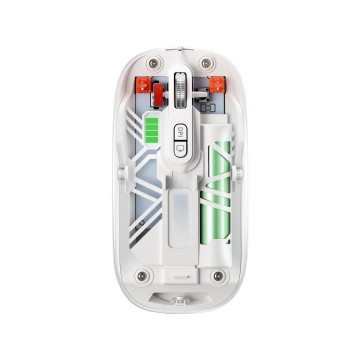
Ultra-Light Slim Transparent Dual-Mode Mouse
Featherweight 70g mobile profile with crystal-clear resin chassis, silent micro-switches, and multi-speed DPI toggle for portable computing.
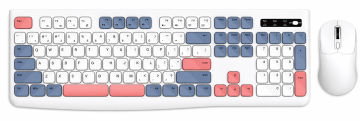
Dual-Mode Split Ergonomic Keyboard & Mouse
Anatomical split-key arrangement with cushioned palm support, dual spacebars, and multi-device Bluetooth pairing for natural wrist alignment.
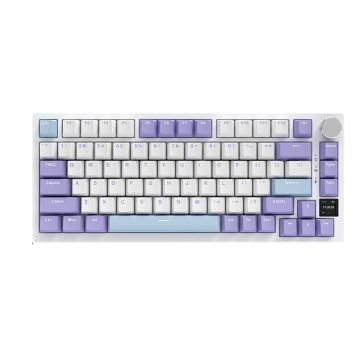
75% Tri-Mode Gasket Keyboard with TFT Screen
Includes interactive 0.85-inch customizable color screen, CNC multi-function metal knob, Poron sound foam stack, and south-facing RGB.
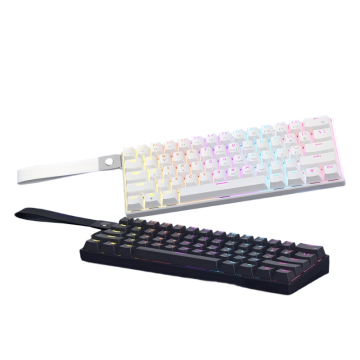
60% Hot-Swappable RGB Mechanical Keyboard
61-key minimalist layout maximizing desk space for wide mouse sweeps, featuring USB Type-C detachable interface and programmable macros.
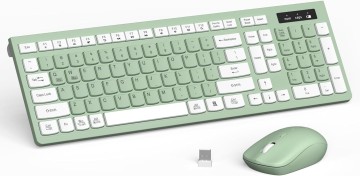
Full-Size 104-Key Silent Office Suite
Complete numeric keypad keyboard matched with a precision optical mouse, engineered for zero-noise data processing and administrative deployments.
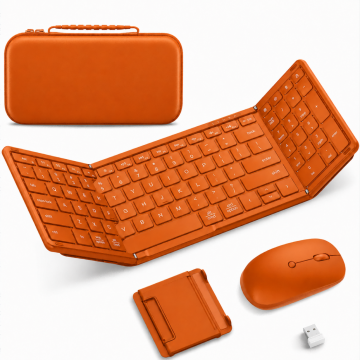
Foldable Full-Size Keyboard & Mouse Combo
Dual-hinge folding architecture integrating 99 full-pitch keys with numpad, lightweight aluminum structural backing, and dual Bluetooth channels.
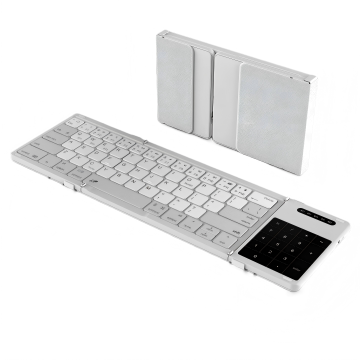
Tri-Fold Keyboard with Multi-Touch Trackpad
Weighs only 270 grams with an integrated multi-gesture glass-smooth trackpad, auto-wake magnetic sensors, and universal OS compatibility.
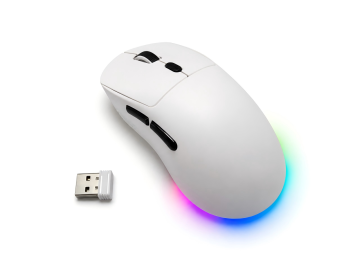
Tri-Mode High-DPI Competitive Gaming Mouse
Equipped with the high-precision PixArt PAW3311 optical engine, tri-mode 2.4G/BT/Type-C connectivity, 7 programmable buttons, and RGB lighting.