
Enterprise ODM Platforms Ready for Deployment
Explore production-tested mini mechanical layouts, high-precision optical sensors, and hybrid ergonomic combinations engineered for rapid time-to-market and brand differentiation.
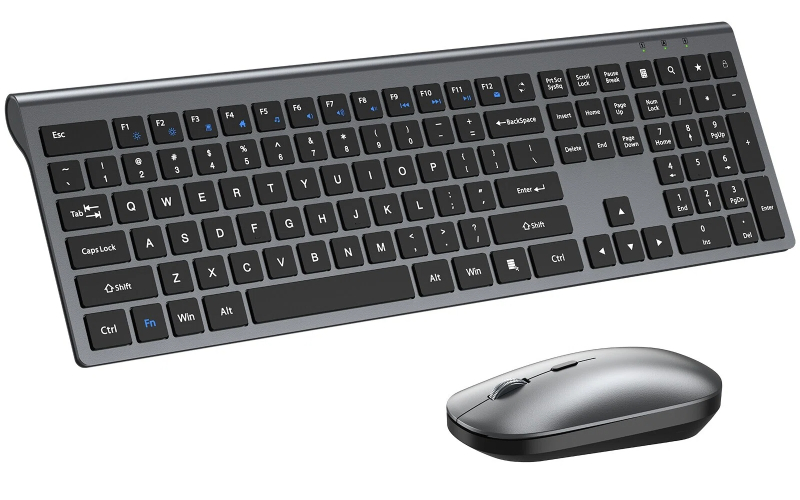
Gaming Keyboard & Mouse Combo
Integrated retail bundle with synchronized dynamic RGB lighting, high-durability membrane/hybrid switches, and dedicated quick-access profiles.
Explore Details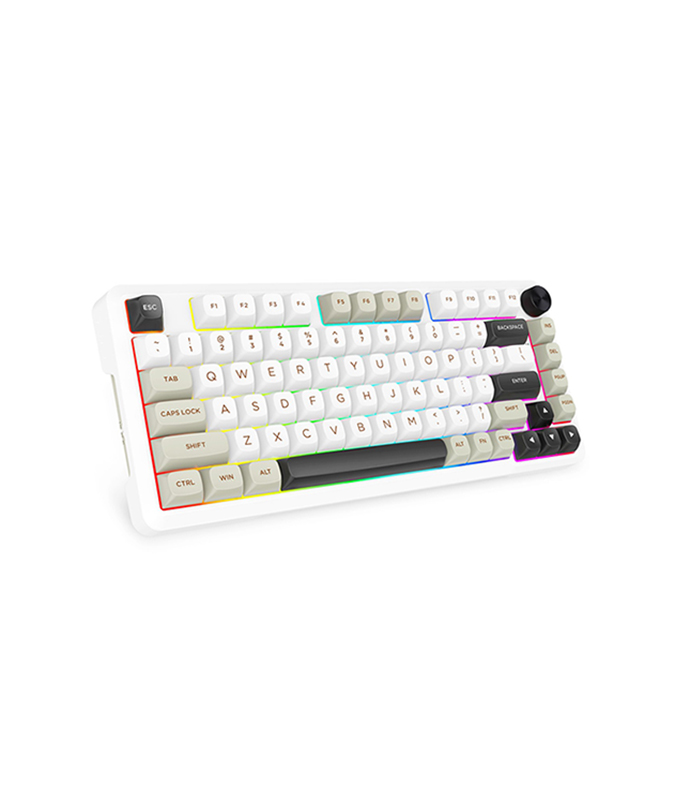
Mechanical Gaming Keyboard
Compact form-factor architecture supporting universal 3-pin/5-pin hot-swappable sockets, noise-dampened acoustic pads, and customized PBT double-shot keycaps.
Explore Details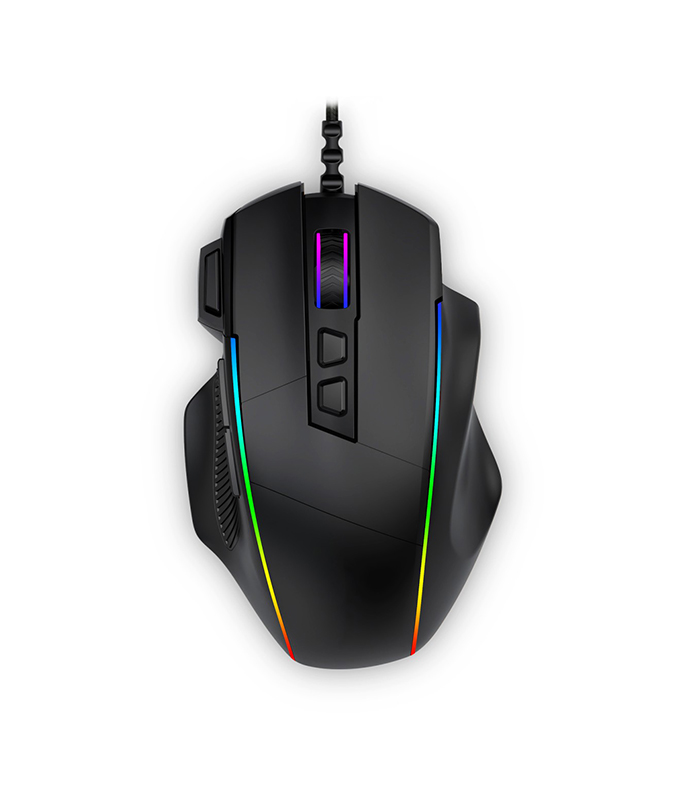
RGB Gaming Mouse
Ergonomic low-friction esports housing calibrated for claw and palm grips, multi-stage DPI cycling, and macro-programmable onboard microcontrollers.
Explore Details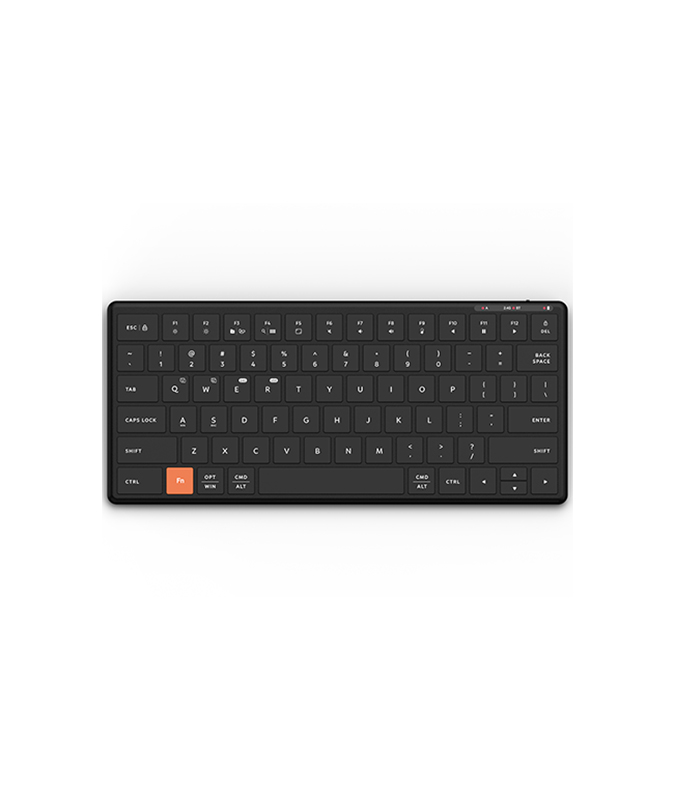
Wireless Office Keyboard
Slimline silent tactile feedback switch structure, multi-OS cross-platform compatibility, and power-saving wireless power management architecture.
Explore Details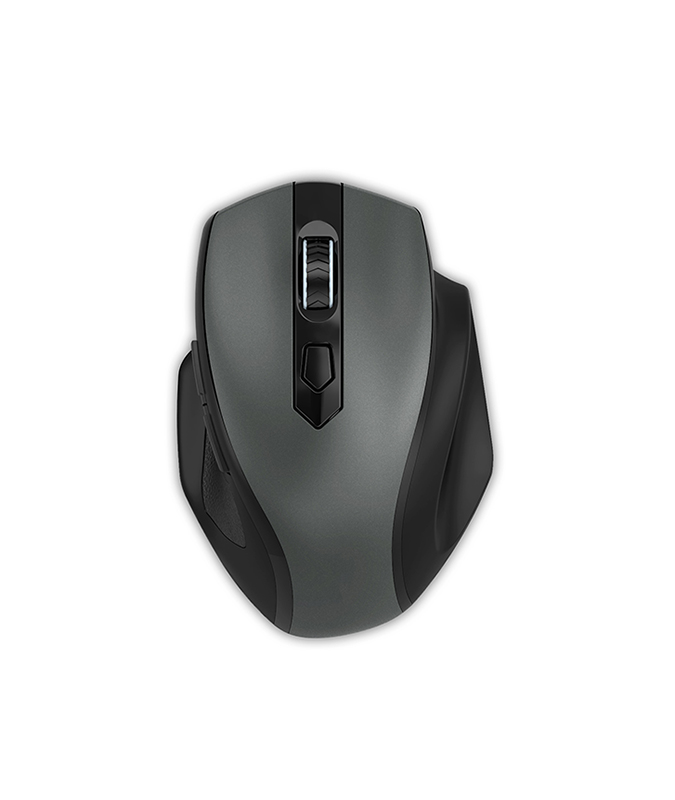
2.4G Wireless Office Mouse
Symmetrical contour housing with sub-30dB silent micro-switches, integrated Nano USB compartment, and optimized high-efficiency optical tracking engines.
Explore Details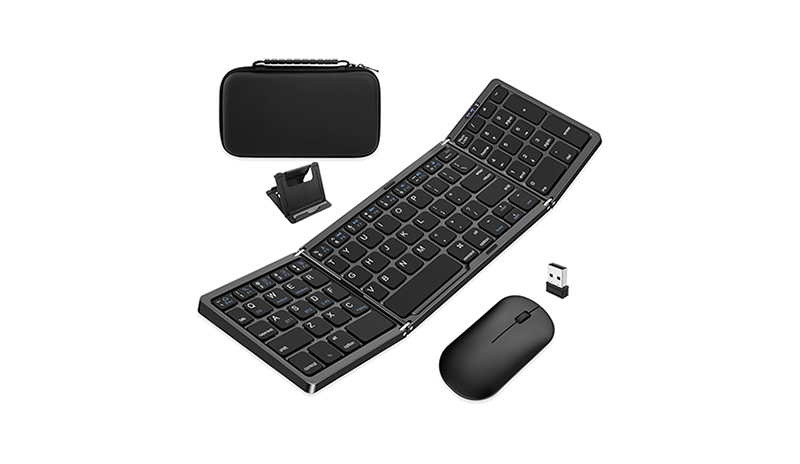
2.4G Office Combo Platform
Unified dongle desktop productivity set matching enterprise ergonomics, plug-and-play driverless integration, and extended battery runtime endurance.
Explore Details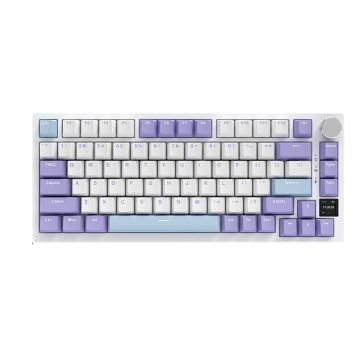
81-Key Tri-Mode Smart Display Keyboard
Cutting-edge gasket acoustic isolation, multi-layer Poron padding, customizable 0.85-inch status OLED/TFT display, and smooth metallic rotary encoder.
Explore Details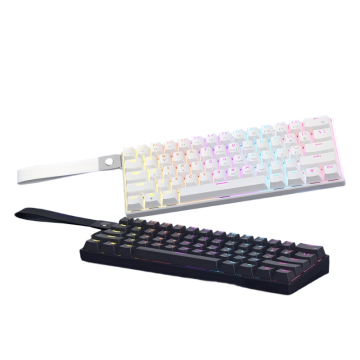
60% Compact Hot-Swap Keyboard
Minimalist 61-key competitive footprint optimizing desktop swipe clearing for esports mice, paired with full key rollover and customizable RGB mapping.
Explore DetailsGlobal Trends Reshaping Gaming Mini Keyboards & Mice
Consumer preferences have decisively pivoted away from bulky traditional peripherals toward streamlined, high-performance setups. Understanding these architectural transitions enables brand owners to capture high-margin market shares.
Magnetic Hall-Effect & Rapid Trigger
Traditional mechanical switches are giving way to contactless magnetic switch platforms. Equipped with linear Hall-effect sensors, gaming mini keyboards now achieve adjustable actuation ranges from 0.1mm to 4.0mm with sub-0.1mm Rapid Trigger resets, revolutionizing tactical FPS performance.
Sub-50g Lightweight Mouse Engineering
Esports brands prioritize high structural integrity without honeycombed outer shells. Through thin-wall injection molding (sub-0.8mm) and composite internal skeletal ribs, modern ODM mice achieve ultralight weights under 49g while preserving flex-free rigidity.
8K Polling Rates & Tri-Mode Wireless
High refresh rate monitors demand input synchronization. Advanced Nordic or Realtek RF chipsets provide true 4000Hz to 8000Hz polling rates across wired and 2.4GHz wireless protocols, bringing input latency below 0.125ms for professional gaming environments.
Global Enterprise Sourcing Demands & Purchasing Pain Points
B2B peripheral procurement requires balancing rigorous technological specifications with stringent risk management. Global brand managers and supply chain directors prioritize key performance indicators when selecting contract manufacturers.
Platform Tooling Modularization
Brands require modular tooling frameworks that allow effortless interchangeability between mechanical switches, magnetic switches, rotary knobs, or programmable mini LCD displays without re-investing in complete base mold sets.
Web-Driver & Cloud Customization
Heavy executable driver packages discourage buyers. Global brands demand web-based drivers (WebHID standard) allowing plug-and-play actuation adjustment, custom key-mapping, lighting control, and onboard profile flashing directly from browsers.
Full Compliance & ESG Readiness
Imports across the EU and North America mandate verified CE, FCC, RoHS, REACH, and battery safety testings (UN38.3, MSDS). Traceable post-consumer recycled (PCR) ABS plastic injection options are crucial for ESG metrics.
Sample-to-Batch Integrity
Eliminating sample discrepancies is essential. Factory partners must maintain rigid Statistical Process Control (SPC), AOI automated optical inspection, and automated switch soldering to guarantee zero discrepancy across bulk deliveries.
Shenzhen Manufacturing: Unrivaled Supply Chain Resilience
Located in the Longgang industrial corridor of Shenzhen, our facility operates at the nexus of the world's most concentrated precision electronics cluster. With 20+ years of manufacturing lineage, Shenzhen Deying Industry Co., Ltd. transforms conceptual industrial designs into mass-produced hardware with speed and control.
Our infrastructure merges precision engineering with intelligent automation. In-house mold design and tooling, high-precision injection machinery, automatic SMT placement lines, and end-to-end assembly workshops eliminate reliance on fragmented third-party subcontractors. This vertical integration reduces production turnaround times by 35% compared to conventional supply networks.
Commercial, Industrial & Localized Use Cases
Mini keyboards and precision mice have expanded beyond bedroom desktop stations into mission-critical, spatial-constrained environments requiring tailored hardware profiles.
Competitive Esports Arenas
In tournament setups where mousepad surface space directly governs swipe angles, 60% and 65% mini keyboards allow players to position their boards angled at 45 to 60 degrees. Zero ghosting, rapid triggering, and ultralight low-friction PTFE mouse feet deliver tournament-grade inputs.
Digital Nomad & Hybrid Mobile Workstations
Modern professionals switch dynamically between co-working spots, airports, and coffee shops. Tri-mode wireless 65% and 75% mechanical keyboards with foldable or compact dimensions pair across laptops, tablets, and smartphones via multi-channel Bluetooth 5.2.
Specialized Industrial & Medical Kiosk Terminals
Cleanroom environments, broadcast production consoles, and point-of-sale systems deploy compact mechanical keyboards for durable tactile feedback within standard 19-inch rack-mount trays or automated testing carts.
Six-Stage End-to-End OEM/ODM Production Protocol
A structured manufacturing execution workflow shields brand programs from production variability, communication delays, and engineering bottlenecks.
Technical Scope & Industrial Design
Product requirements documents (PRD) are finalized covering layout dimensions, MCU chipset selection (Nordic/CX/Realtek), switch variants, PCB layering, and acoustic dampening schemes.
Structural Tooling & Injection
High-precision steel molds are cut using multi-axis CNC machines. In-house injection molding operations run custom-formulated ABS, PBT, and polycarbonate materials under monitored thermal profiles.
PCB Layout & SMT Assembly
Surface-mount technology (SMT) lines solder switch sockets, addressable RGB surface diodes, RF antennas, and power management circuits, followed by AOI optical verification.
Golden Sample Calibration
Working prototypes undergo comprehensive acoustic, keystroke lifecycle (50M–100M actuations), optical tracking precision, and drop-impact tests to sign off on the production benchmark.
Lean Assembly & Total QC
Ten automated production lines execute controlled assembly. Continuous Quality Control checks key travel uniformity, RF transmission integrity, and firmware stability.
Custom Packaging & Global Logistics
Eco-friendly retail gift boxes, thermoformed protective trays, multi-language manuals, and serialized barcodes are boxed to pallet specifications for sea, air, or rail transport.
B2B Industry Guides & Manufacturing Insights
In-depth whitepapers and technical guidelines assisting procurement specialists, global category buyers, and product developers.
OEM vs. ODM Sourcing Decisions
Comprehensive cost-benefit analysis breaking down tooling investments, time-to-shelf, IP ownership, and margin yields between private-label platforms versus bespoke custom developments.
China Sourcing Advantages
Why leading multinational hardware companies continually center peripheral manufacturing in Shenzhen's Pearl River Delta ecosystem for raw material speed and technical competence.
Supplier Verification Guide
Six core diagnostic criteria to evaluate factory engineering competency, cleanroom capabilities, SMT capacity, and QA protocols prior to issuing large procurement purchase orders.
CE, FCC & RoHS Compliance
A roadmap to navigating electromagnetic interference (EMI), radio frequency compliance, hazardous substances, and battery transport safety standards across the EU and North America.
Direct Clarifications for Enterprise Procurement
Clear, unvarnished guidance on operational parameters, MOQ structures, customization boundaries, and manufacturing timelines.
What is the practical difference between OEM and ODM engagements at Deying?
ODM leverages our pre-engineered, tooled peripheral platforms (chassis, PCB architecture, and internal molds). You brand it through custom colors, pad-printed or laser legends, PBT keycap themes, personalized lighting microcode, and customized packaging. OEM involves greenfield development from your custom CAD models, engineering unique tooling molds, bespoke internal layout design, and full proprietary ownership of the design file.
What international product certifications do your gaming keyboards and mice carry?
Our platforms are engineered to conform with CE, FCC, and RoHS regulations, satisfying market access criteria across European and North American territories. Wireless platforms incorporate approved low-power RF design and UN38.3/MSDS certified lithium cells. Detailed lab test reports, Declarations of Conformity (DoC), and certificate verifications are provided during sampling and pilot orders.
Which components can be tailored on private-label mini keyboards and gaming mice?
Customization spans: casing colors and spray coatings (matte, soft-touch UV, metallic), switch selection (mechanical red/blue/brown/black or Hall-effect magnetic), keycap profiles (OEM, Cherry, MDA) and composition (ABS, PBT dye-sub, double-shot), RGB lighting programming, optical sensor choice (PAW3311, PAW3395, PixArt/Instant), braided cable materials, weight tuning, and custom retail packaging graphics.
How does Deying prevent quality deviation between approved samples and bulk production?
We preserve physically signed and sealed 'Golden Samples' serving as mandatory benchmarks for IQC (Incoming Quality Control), IPQC (In-Process Quality Control), and FQC (Final Quality Control). Our lines implement automated optical switch inspection, standardized automated screw-driving, continuous high-voltage drop testing, and computerized keystroke tactile force curve verification before container loading.
Can overseas procurement buyers visit the factory facilities in Longgang, Shenzhen?
Yes, we welcome international client delegations, independent sourcing agents, and third-party audit firms (such as SGS, TÜV, or Bureau Veritas). Long-standing enterprise partners from South Korea, Europe, and the United States regularly visit our Shenzhen workshops to assess capacity, verify automated lines, and conduct collaborative design workshops.
What are the standard production lead times and Minimum Order Quantities (MOQs)?
For tooled ODM platforms, standard MOQs typically start from 1,000 to 2,000 units per colorway/switch configuration, with delivery windows ranging from 25 to 35 business days post-sample signoff. Bespoke OEM products requiring dedicated new injection molds require 45 to 60 days for tooling release, trial T1 shots, and golden sample verification.
Cutting-Edge Peripheral Portfolio for High-Growth Brands
Review additional field-proven platforms featuring transparent casing aesthetics, ultra-compact folding mechanics, and professional-grade optical sensors.
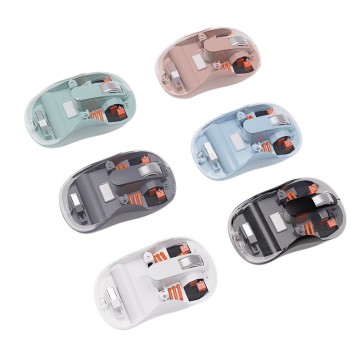
Dual-Mode Magnetic Transparent Mouse
Unique transparent upper chassis with magnetic quick-release, dynamic ambient ring lighting, silent click switches, and Type-C rechargeable cell.
View Specifications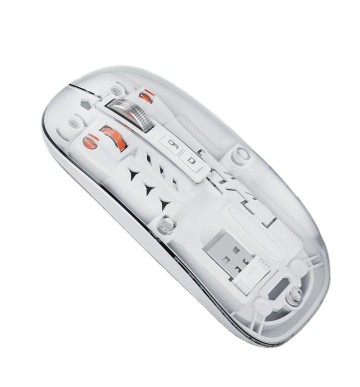
Dual-Mode Transparent 5-Button Mouse
Ergonomic transparent profile, 2400 DPI multi-gear optical tracker, lightweight 76g architecture, and long-lasting 500mAh lithium battery cell.
View Specifications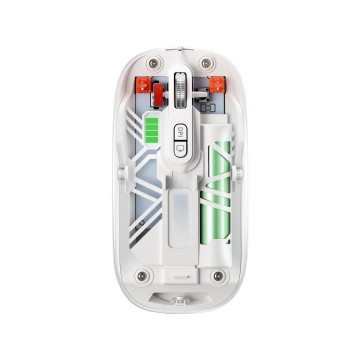
Ultra-Light Slim Transparent Mouse
Low-profile minimalist aesthetic, weighing 70g, multi-level DPI engine (800–1600), silent micro-switches, and dual-mode wireless connectivity.
View Specifications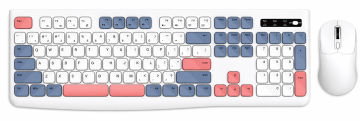
Ergonomic Split Keycap Set
Natural typing curve contour with dual split spacebar zones, multi-device Bluetooth + 2.4GHz quick switching, and precision optical mouse companion.
View Specifications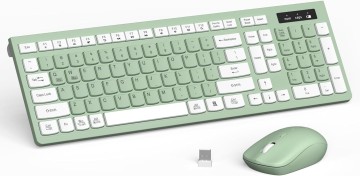
2.4G Silent Full-Size Productivity Bundle
Full 104-key layout offering soft-cushioned silent membrane actuations, spill-resistant structural channel, and balanced ergonomic mouse combo.
View Specifications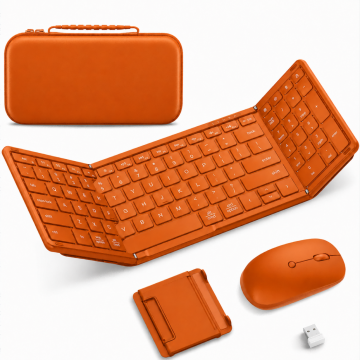
Foldable 99-Key Multi-Device Combo
Dual-hinged bi-fold aluminum-reinforced body featuring full number pad integration, rechargeable lithium pack, and ultra-compact travel footprint.
View Specifications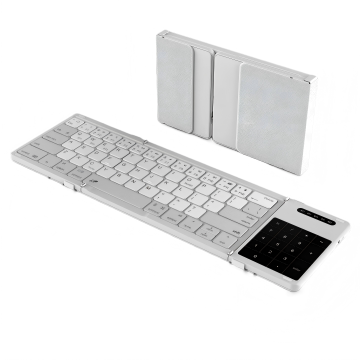
Tri-Fold Keyboard with Precision Touchpad
Three-way folding structure with built-in multi-touch gesture pad, numeric overlay, seamless 3-host device switching, and 270g ultra-compact weight.
View Specifications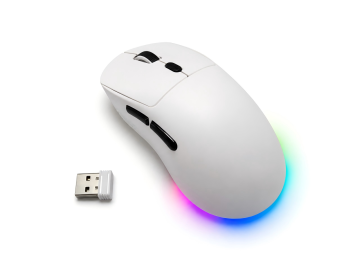
Tri-Mode PAW3311 Esports Mouse
Top-tier competitive platform pairing the PixArt PAW3311 sensor (24,000 DPI, 300 IPS), 1000Hz wired/2.4G polling, 7 programmable buttons, and RGB.
View SpecificationsAccelerate Your Peripheral Brand Roadmap
Collaborate directly with our Shenzhen engineering specialists. Obtain complete technical datasheets, CAD 3D step files, compliance documentation, and physical evaluation prototypes.